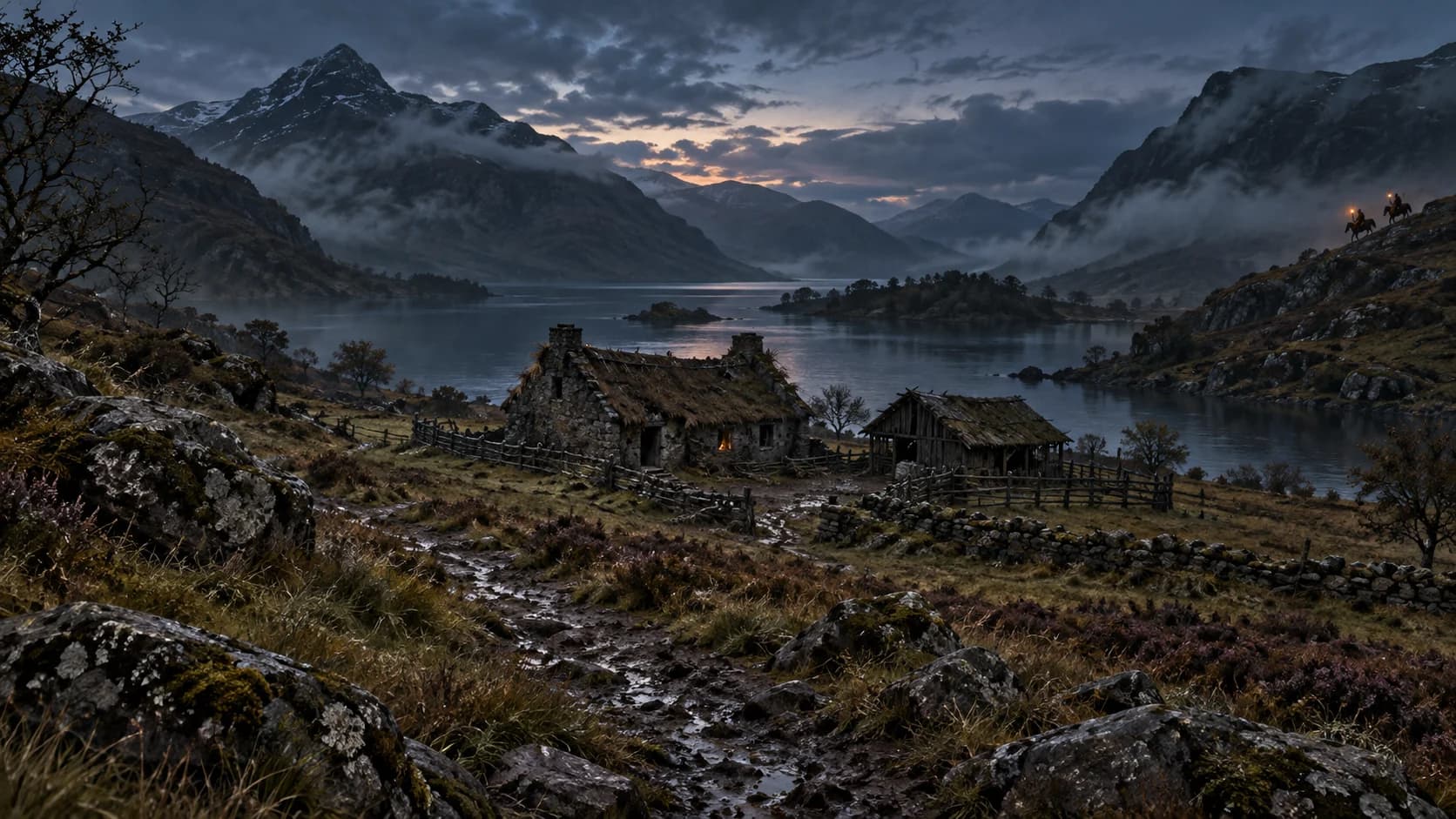
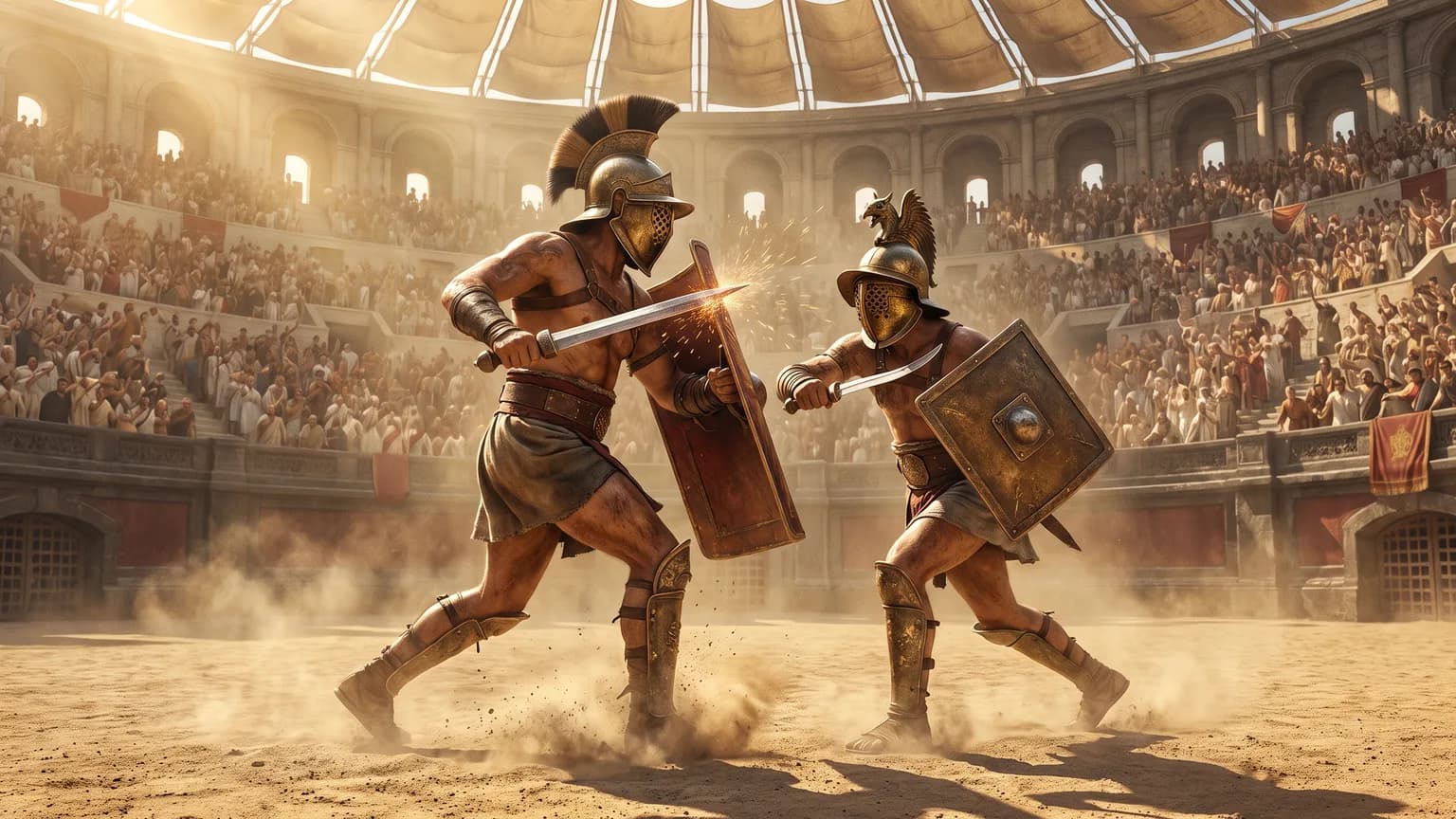
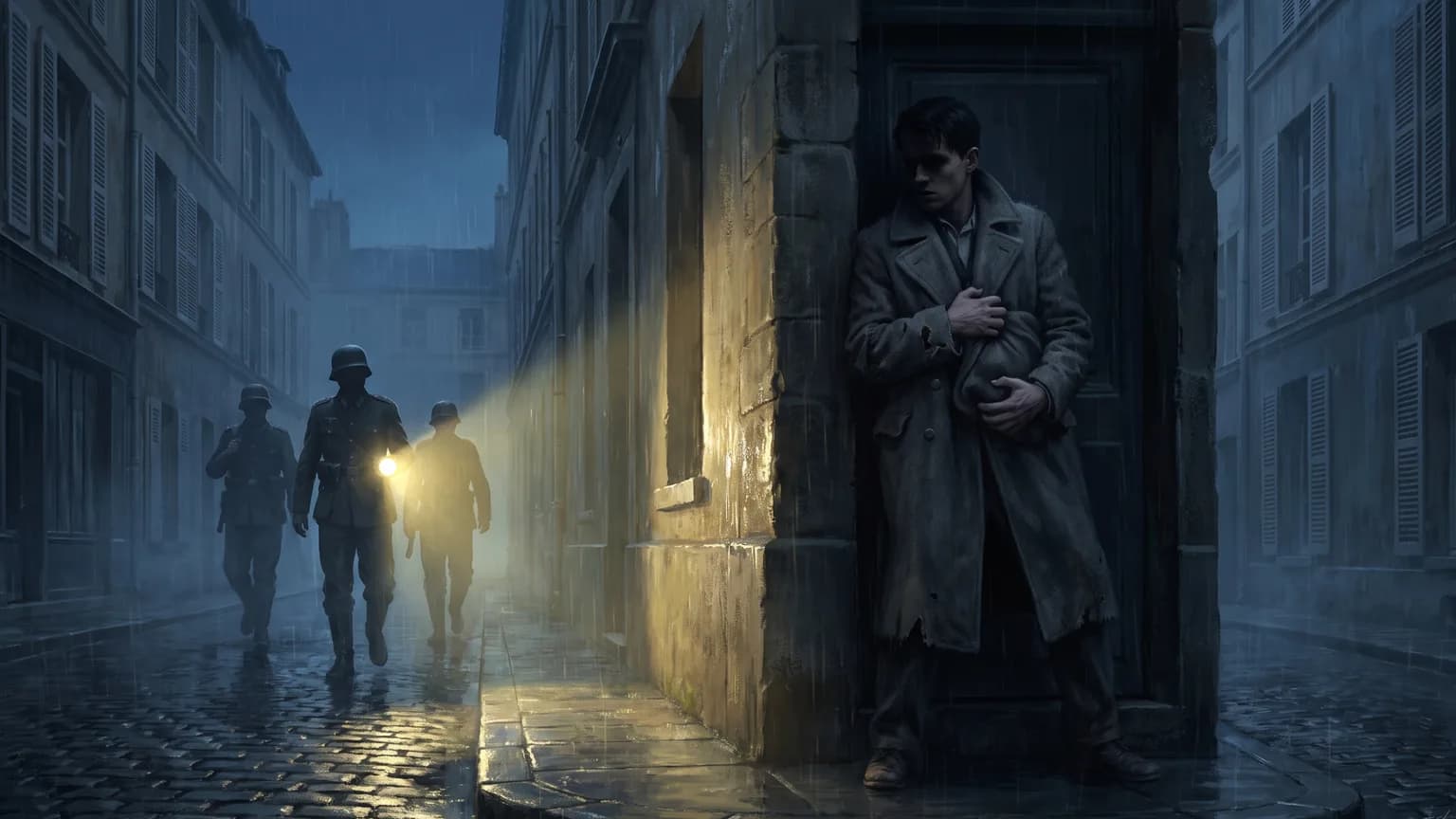
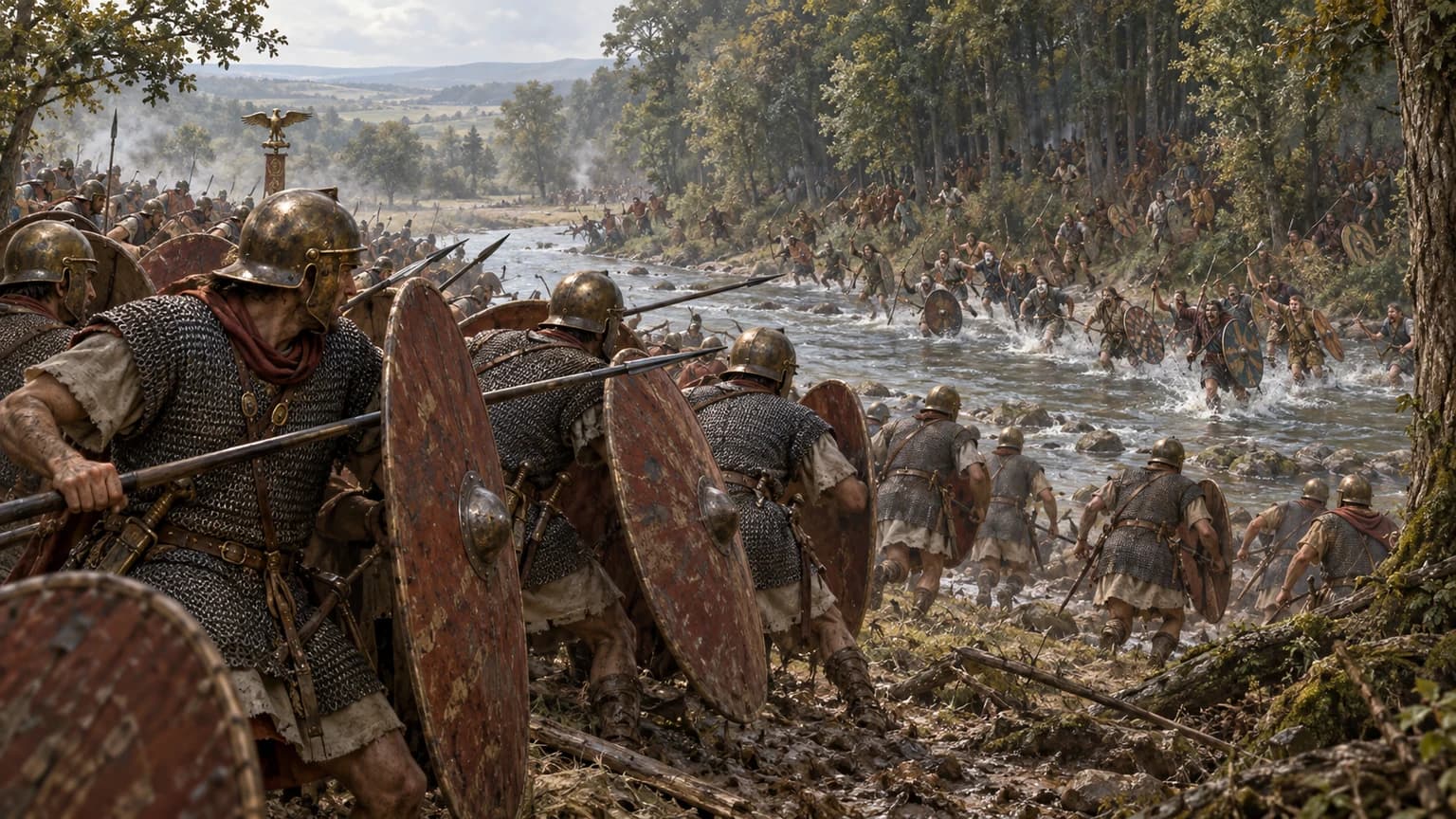
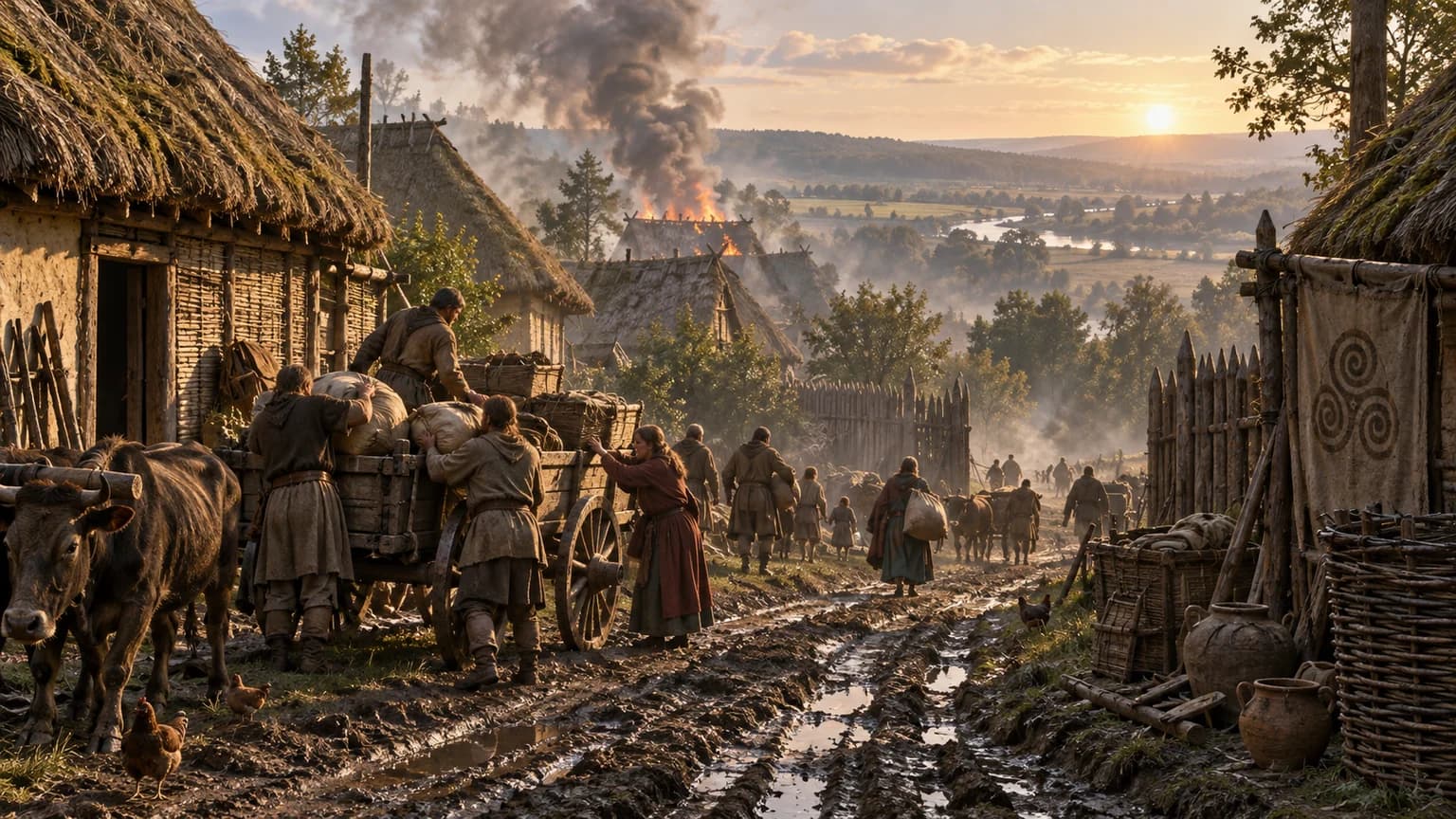

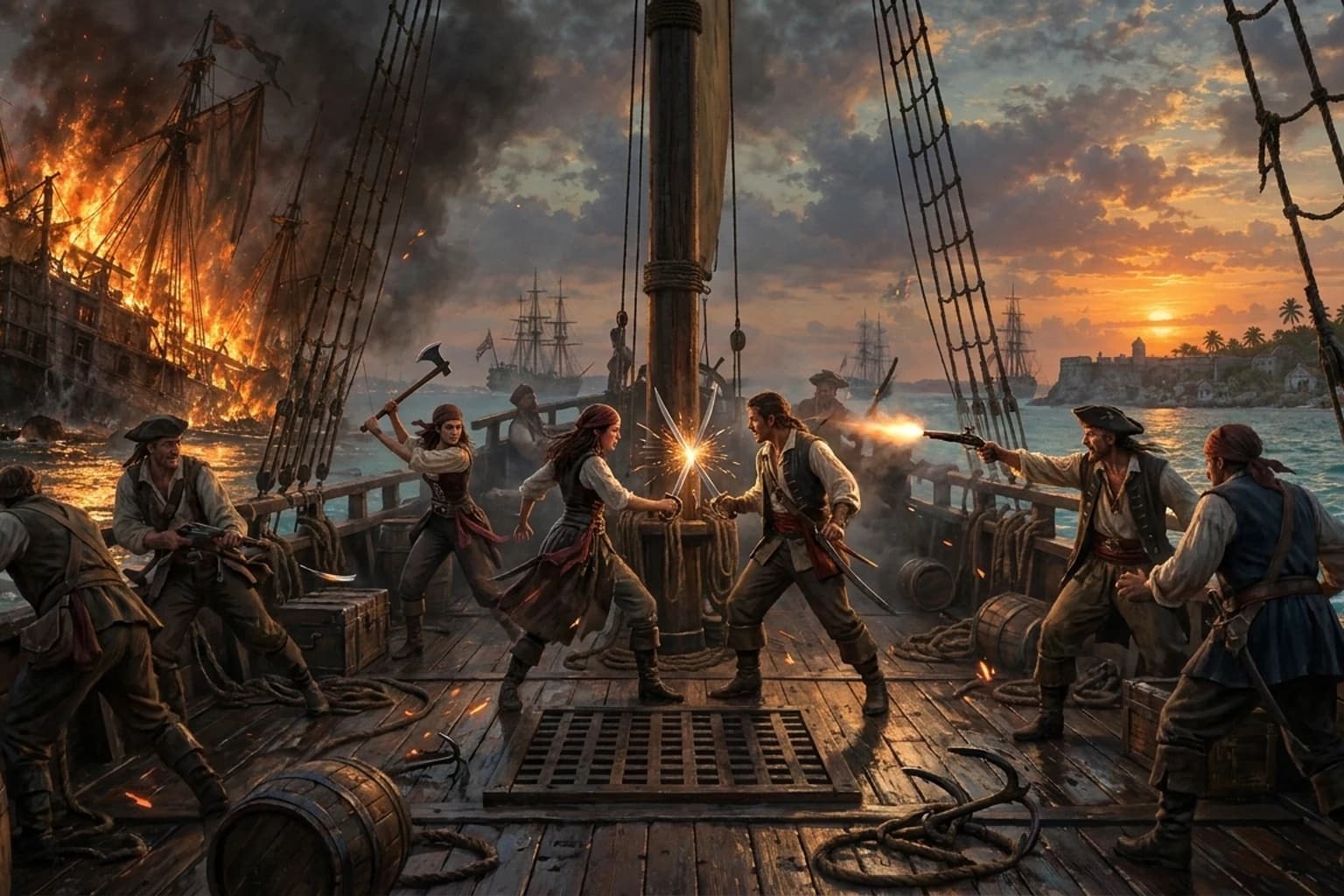
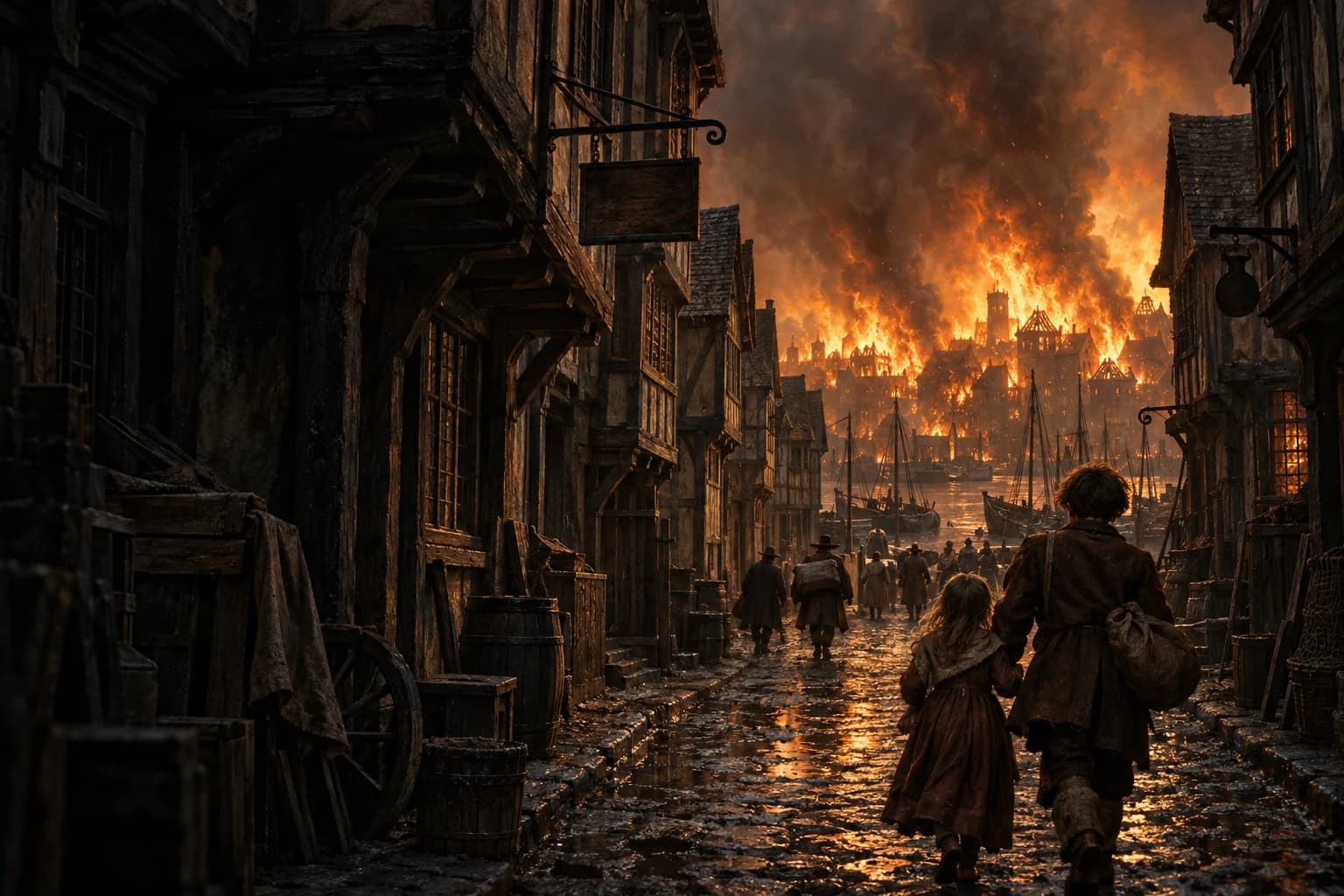
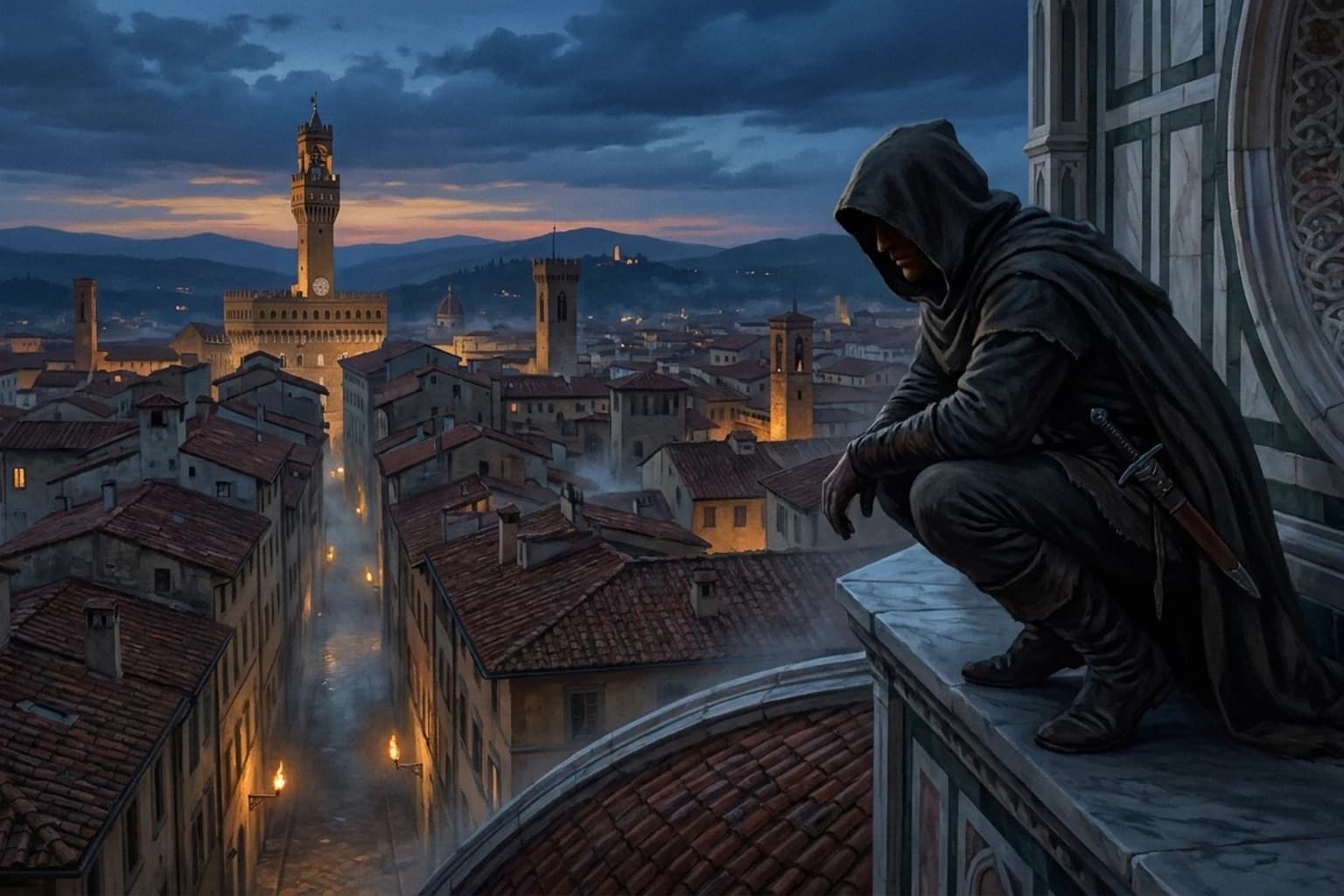
Five Scenarios · ~7 minutes each

History, Played

Branching scenarios from the moments that shaped the world. You make the decisions a real Caesar, jarl, captain, or emperor had to make — with the information they actually had. Three rounds. Three endings. The history reveal at the end is grounded in primary sources.

Why Branching, Not Trivia

Most history education is built around recall. What year did the plague arrive in Florence? Who painted the Sistine Chapel? Which battle ended the Hundred Years' War? This is the genre we already have plenty of — Trivial Pursuit, Sporcle, Kahoot, multiple-choice school exams. The recall mode is fine but limited. It tests whether you memorized facts; it does not test whether you understand the moment those facts describe.

Scenarios test something different. They put you in the chair the real decision-maker sat in, with the information they actually had — usually less than you. You don't know how the plague spreads; nobody in 1348 did. You don't know how many Turks are at the walls; the Byzantine command estimates ranged from 80,000 to 300,000. You don't know whether the iceberg report is exaggerated. The decisions feel different when you have to make them under the same fog the historical actors did.

The Format

Every scenario follows the same shape:

  • A specific moment in history — a date, a place, a role. Not a vague "you're a medieval peasant." You are this peasant, this emperor, this jarl, on this day.
  • Three rounds × three choices. Each round presents a real historical decision with three plausible options. The options come from documented historical alternatives, not invented dilemmas.
  • Four metrics that move. Military, economy, people, stability. Each choice impacts the metrics. The metrics drive the outcome at the end.
  • Three outcome tiers. Triumph if you optimized for the people without crashing anything. Catastrophe if you let any single metric collapse. Survival otherwise.
  • A deep history reveal at the end. Primary sources, what actually happened, what the real historical actors chose, and what the long arc looked like. Usually 1,500-2,500 words.

Sourcing

Every scenario's decisions and outcomes are drawn from documented historical record. The Ides of March: Plutarch, Suetonius, Cassius Dio, Goldsworthy, Strauss, Holland. The Black Death: Boccaccio, the contemporary monastic chronicles, Tuchman, Cantor. Constantinople 1453: Doukas, Sphrantzes, Crowley, Runciman. The Titanic: Walter Lord, the British Wreck Commissioner's report, the 1912 Senate Inquiry, Encyclopedia Titanica. We don't invent decisions that weren't available to the historical actors. We do, occasionally, dramatize timing — but never to the point of distorting the underlying decision space.

Frequently Asked Questions

What's a HistoryForge scenario?+

A branching decision tree set inside a real historical moment. You play a specific role — Julius Caesar on the morning of the Ides of March, a Viking jarl approaching Lindisfarne, a village leader watching the Black Death cross the harbor — and make the decisions the real person had to make, with the information they actually had. Three rounds of choices, three possible endings (triumph, survival, catastrophe), and a deep historical reveal at the end with primary sources.

Are the scenarios historically accurate?+

Yes. Every option maps to a documented choice real historical actors made or could have made. The Calpurnia dream, the seer Spurinna's warning, the half-empty Titanic lifeboats, the Theodosian walls cracking under the largest cannon in history — all from primary sources. The outcomes track the actual historical math. Each scenario closes with a full history reveal naming the sources (Plutarch, Suetonius, the Anglo-Saxon Chronicle, Boccaccio, the Senate Inquiry into the Titanic, etc.).

How long does a scenario take?+

Six to eight minutes. Three rounds × three options, plus the consequence sequences and outcome reveal. Each closes with a longer historical deep-dive — usually 1,500-2,500 words of context, sources, and what-if analysis. Fast to play, deep to read.

What's the difference between a scenario and a quiz?+

Scenarios are gameplay: you make decisions that branch the story, and the outcomes change based on what you chose. Quizzes are personality typing: you answer questions about yourself and get scored against archetypes (which Greek god, which knight of the Round Table, which Stranger Things character). Both are at HistoryForge — different mechanics for different moods. Scenarios at /scenarios, quizzes at /quizzes.

Will there be more scenarios?+

Yes. Scenarios in production include the Battle of Thermopylae (480 BC), the destruction of Carthage (146 BC), the Norman invasion of England (1066), the Aztec response to Cortés (1519), the Battle of Trafalgar (1805), and the Cuban Missile Crisis (1962). The iOS app contains a longer pipeline. The web roll-out is staged.