Start With the Ground
Everything sensible about Thermopylae follows from one fact that most accounts skip, and it comes from geology rather than from any ancient writer.
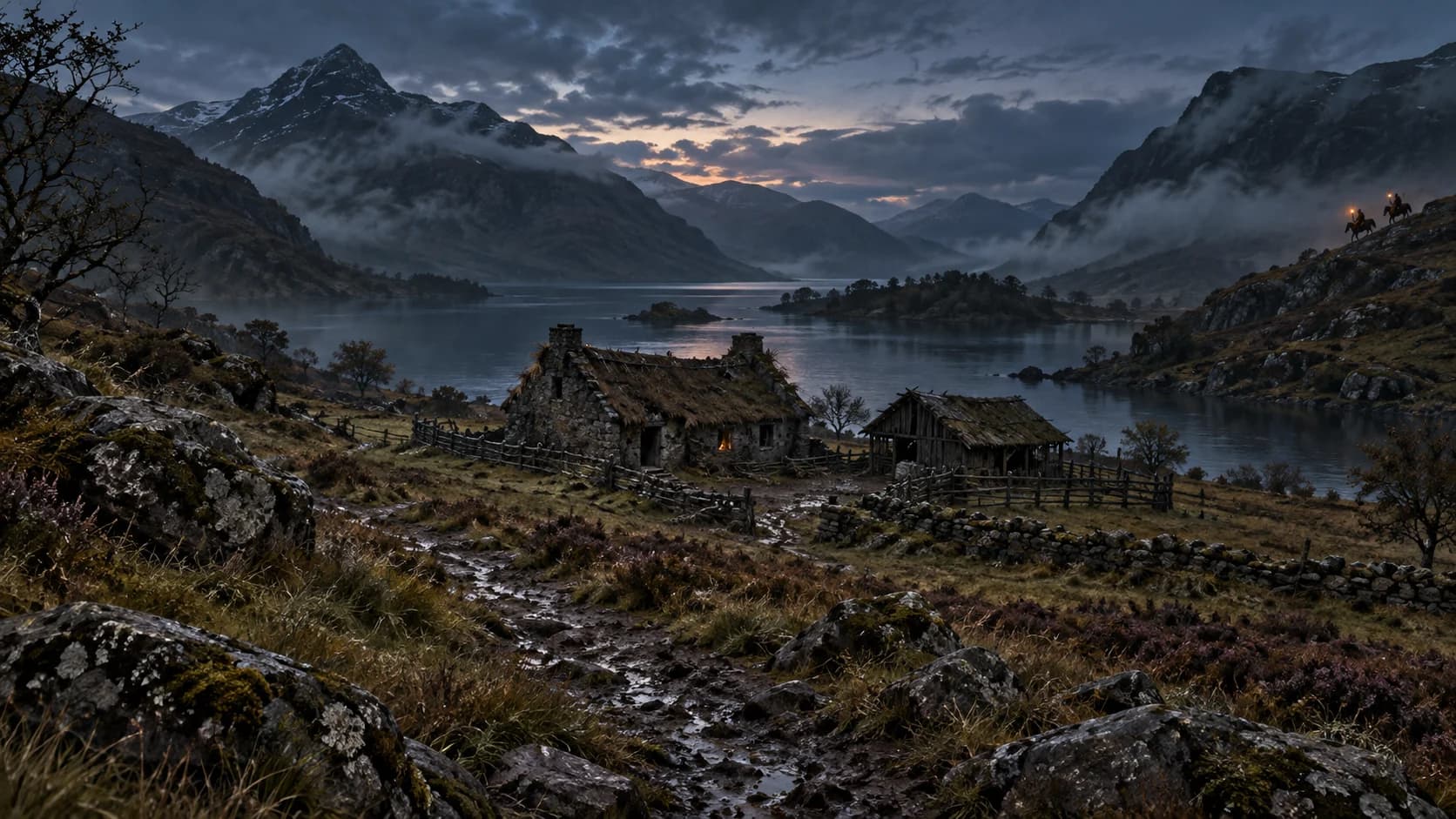
A 1987 study drilled seven boreholes across the sediments filling the Gulf of Malia and radiocarbon-dated them. It established that at the middle gate in 480 BC the pass was no more than twenty to thirty metres wide, with the shoreline lying only twenty to a hundred metres from the flank of the mountain. Sea level was slightly higher than today, which made the gap narrower still, not wider.
Today that same place is a plain about five kilometres across. The coastline has advanced that far, pushed out by river silt and by travertine from the hot springs that give the pass its name. The battlefield itself lies under as much as twenty metres of deposit. When an archaeologist dug an eight-metre trench at the middle gate, he was still in Byzantine-era material. The modern motorway runs across what used to be sea.
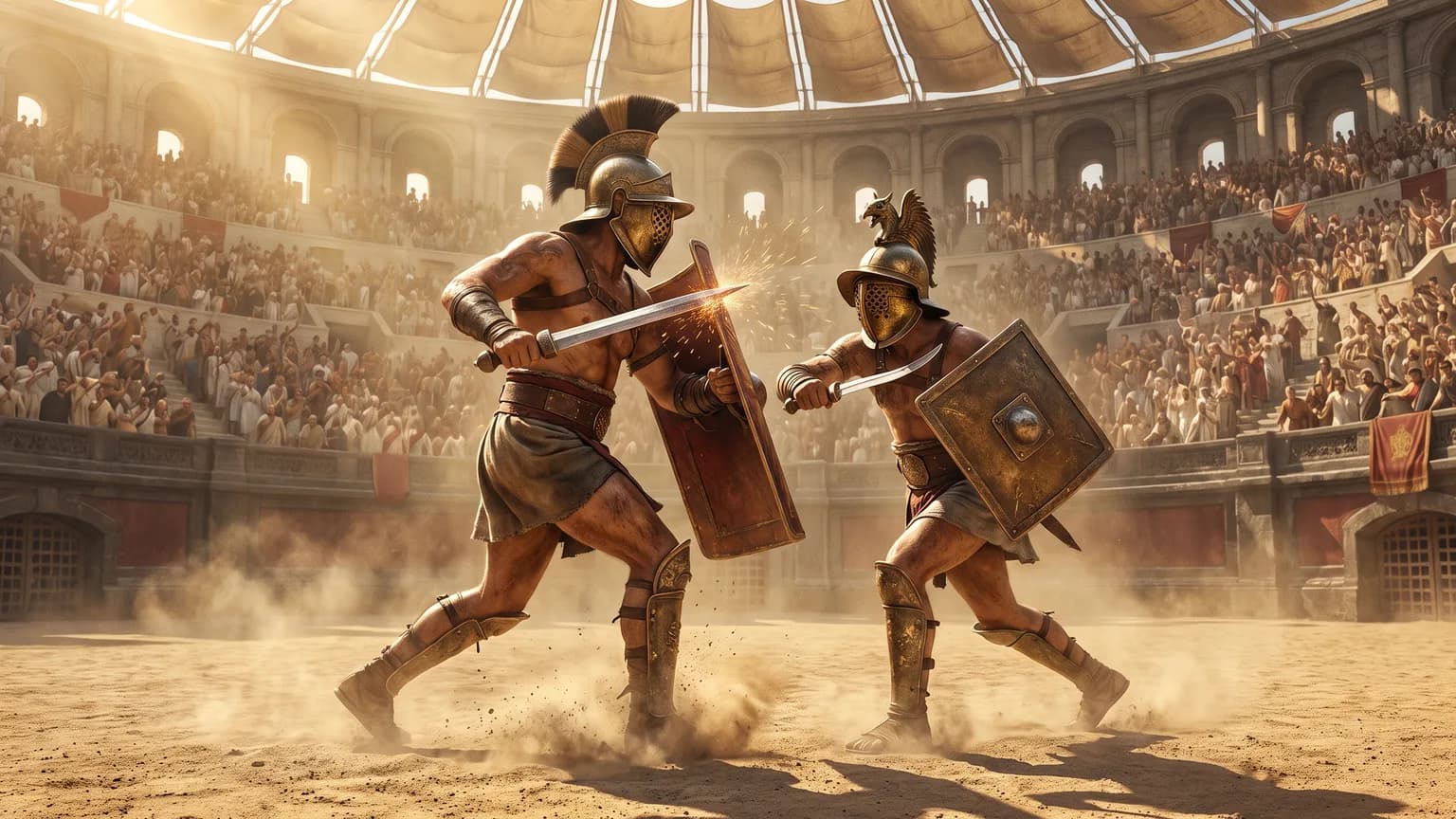
This changes the whole tactical picture. A twenty-metre frontage is a road, not a battlefield. It means a numerical advantage of twenty to one and of two hundred to one are the same advantage, because the ground caps how many men can fight at once. It means the hoplite phalanx, with its longer spears and heavier armour, was in exactly its ideal environment, which is precisely what Herodotus says: the Persians could not use their numbers and their spears were shorter. It means that rotating fresh contingents through the line, which Herodotus describes and which most retellings omit, was not a flourish but the only way to hold a front that narrow.
And it means that holding Thermopylae was a rational military decision rather than a gesture of doomed defiance. Anybody who stands at the site today, sees five kilometres of open plain and concludes that a small force could never have held it is looking at two and a half thousand years of mud.
One Source, and What Is Actually Wrong With It
Herodotus is effectively the only substantive source, writing forty to fifty years after the battle from oral testimony. Diodorus and Plutarch come centuries later and largely derive from him.
It is often said that Herodotus was hostile to Persia. He was not, and it is worth correcting because it points at the wrong problem. Antiquity accused him of the opposite fault: Plutarch wrote an entire essay attacking him for being too fond of barbarians and unfair to Greek states. Herodotus praises Persian custom, gives Persians dignified speeches, and treats Xerxes as a tragic figure. The Persians as monsters is a modern film invention.
The real problems are these. His informants were Greek, often descendants of participants with reputations at stake. His numbers are computed from a schema rather than observed. His speeches are composed to convention, not transcribed, and he hedges the best lines with phrases meaning it is said. He shapes events to a moral pattern of oracles and hubris. And where he is genuinely partisan, it is local: his treatment of Thebes, which had gone over to Persia and was Athens's enemy when he wrote, is unmistakably hostile.
The practical consequence for any honest account is to attribute rather than assert. Every number, every quotation and every motive below is what Herodotus says.
It Was Never Three Hundred
Herodotus lists the Greek force contingent by contingent: 300 Spartans, 500 each from Tegea and Mantinea, 120 from Orchomenos, a thousand from the rest of Arcadia, 400 Corinthians, 200 from Phlius, 80 from Mycenae, 700 Thespians, 400 Thebans, a thousand Phocians, and the Opuntian Locrians summoned in full strength with no number given. That is about 5,200 named men from at least nine states, and the familiar round figure of seven thousand comes from adding a plausible Locrian total.
Two things get left out even of that. Herodotus never counts the helots and attendants, though he confirms elsewhere that helots were among the Greek dead at the pass: every hoplite had at minimum someone to carry his shield and rations. And Herodotus contradicts his own arithmetic, because the epitaph he quotes speaks of four thousand Peloponnesians where his own list gives 3,100. He does not reconcile it.
As for the Persians, Herodotus builds his total openly: 1,207 ships at 200 men each, plus marines, plus 1.7 million infantry, plus cavalry and camel drivers, arriving at 2,641,610 fighting men, and then doubling it for camp followers to reach over five million. He announces the doubling as his own assumption. It is arithmetic performed on literary premises, and no historian accepts it.
Modern estimates range widely: one classic study capped the force at about 150,000 from water supply and road capacity; another argued for as few as 40,000 from the length of a marching column; others give 180,000, 300,000 or 360,000. The defensible range is roughly 70,000 to 300,000, and specialists note that no army before the Napoleonic era is securely attested above about 120,000. What is certain is the qualitative point: the Persian army was vastly larger, large enough that its size was itself a logistical problem, and small enough to be fed, which is exactly why the ancient figures fail.
Three Days
The Greeks held the pass as one half of a combined plan, with the fleet at Artemisium holding the straits nearby so each force could learn what was happening to the other. Leonidas came with a vanguard rather than an army, because the Carneia and the Olympic festival both fell at that moment and nobody expected the matter to be settled so fast. Herodotus notes that he chose his three hundred from men who already had living sons.
Xerxes waited four days expecting the Greeks to run. On the fifth he sent in the Medes and Cissians with orders to take the defenders alive, and they were badly cut up. He committed the Immortals, his ten thousand elite, and they fared no better. Herodotus says he leapt from his seat three times in fear for his army. The second day was the same, with the Greeks rotating contingents through the line in turn.
Then a Malian named Ephialtes told Xerxes about the mountain path. It was not a secret: Herodotus notes the Malians had used the same route generations earlier to lead Thessalians against the Phocians, so the pass had long since been proved turnable. The Greeks had not known about it until locals told them on arrival. Hydarnes marched his column out around the time the lamps were lit, and at dawn routed the thousand Phocians posted on the ridge.
On the third day Leonidas dismissed most of the allies and the survivors fought differently. They advanced out of the narrows into wider ground and attacked, driving Persians into the sea to drown while Persian officers whipped their own men forward. Leonidas fell, and the Greeks drove the Persians off his body four times. When the flanking column arrived behind them the last of them withdrew to a hillock and were shot down with arrows, defending themselves, in Herodotus's phrase, with hands and with teeth.
The Seven Hundred Who Chose
When Leonidas sent the allies away, two contingents stayed besides the Spartans. One of them is the reason this article exists in the shape it does.
Seven hundred Thespians, from a small Boeotian city, under a commander named Demophilus. Herodotus is unambiguous about why: they would not depart and leave Leonidas, so they stayed and died with him. Consider what that means relative to the Spartans. The Spartans had a professional soldier's code, a royal order, and an oracle saying Sparta must lose either a city or a king. The Thespians had none of those. They were citizen militia from a town of no military reputation, and seven hundred men was close to its entire fighting strength. The Persians burned Thespiae afterwards.
Herodotus names their bravest man, Dithyrambus, in the same breath as the Spartan heroes, and records that when Persian sightseers toured the battlefield they assumed all the Greek dead were Lacedaemonians or Thespians. In the immediate aftermath the two were spoken of as a pair. The erasure came much later, and it is nearly total: Thespiae received no monument at Thermopylae until 1997, forty-two years after the Leonidas statue went up.
The four hundred Thebans are more complicated. Herodotus says Leonidas took them as effective hostages because Thebes was suspected of siding with Persia, that they stayed against their will, and that at the end they surrendered and were branded. Plutarch rejected this, reasonably pointing out that hostages would logically have been sent away with the departing allies. This is where Herodotus's bias is most visible, and the question is genuinely open.
The Famous Lines, Ranked by Reliability
- "Then we will fight in the shade." The best of the three, and said by the wrong person in almost every retelling. Herodotus attributes it to a Spartan named Dienekes, not Leonidas, replying to a warning that Persian arrows would hide the sun. Even then Herodotus frames it as hearsay and adds that Dienekes was known for such sayings, which is itself a reason for caution.
- "Molon labe." Come and take them. Not in Herodotus at all. It appears in a collection of Spartan sayings written roughly five hundred and fifty years later, in a text whose attribution to Plutarch is itself disputed, and in a genre where pithy lines migrate freely between speakers. Not reliable.
- "Go tell the Spartans." The epitaph is early and plausibly a real inscription, but the attribution to the poet Simonides is not. Herodotus quotes three epitaphs at the site and says the Amphictyons erected them, crediting Simonides with only the one for the seer Megistias, and that for reasons of personal friendship. The Simonides attribution for the famous couplet comes from sources four centuries later: a textbook case of a memorable line drifting onto a more famous name.
What the Arrowheads Proved
In 1939 Spyridon Marinatos excavated at Thermopylae and found a concentration of bronze arrowheads on Kolonos hill, along with burials. Before that, the hillock of the last stand was generally placed elsewhere. The arrowheads matched Herodotus's account of men overwhelmed by missiles on a rise, and moved the consensus to Kolonos, where the modern monument now stands.
It is one of the cleaner cases of excavation confirming a specific narrative detail: not that the battle happened, but that it ended the way Herodotus said it did, with archery rather than close assault. The caveats are real though. The arrowheads date a type rather than a day, and not all of them can be securely assigned to one side. And Kolonos was only excavatable because it stood above the plain. The actual battlefield floor is under twenty metres of travertine and effectively out of reach.
What It Did and Did Not Achieve
Thermopylae was a defeat, and it failed in its immediate object. The pass was lost, the covering force destroyed, the fleet forced to pull back from Artemisium. Within weeks Athens was evacuated, and the handful of defenders who barricaded the Acropolis, having decided the oracle about a wooden wall meant their palisade rather than the fleet, were killed and the Acropolis burned.
Salamis in September broke the Persian fleet. Plataea the following year broke the army. Paul Cartledge, the leading modern authority on Sparta, calls Thermopylae a victory in defeat and argues it was no more decisive than either of them. The delay it bought was three days of fighting after a four-day standoff. Real, but modest.
What it won was the story, immediately. Xerxes felt it too: he buried twenty thousand of his own dead in trenches so his sailors would not see them, then invited the fleet to tour the field, a deception Herodotus says fooled nobody. And he had Leonidas beheaded and crucified, which Herodotus presents as aberrant, noting that of all the men he knew of, the Persians were the most accustomed to honour brave enemies. Mutilating a dead king is not what you do to an opponent you beat easily.
On the Film
Frank Miller said the inaccuracies in 300 were almost all intentional, and it is best treated as historical fantasy. The obvious problems are the obvious ones: Xerxes was a bearded Achaemenid monarch rather than a pierced giant, and Spartans fought in bronze armour rather than bare-chested.
The more interesting criticism, made by the classicist Ephraim Lytle, is that while the film makes the Persians monstrous, it makes the other Greeks contemptible. Roughly seven thousand Greeks are reduced to three hundred, the seven hundred Thespians who died to the last man are erased entirely, the allied contingents are shown as incompetent, and the actual mechanics of hoplite fighting never appear. Ephialtes, a physically ordinary local Malian in Herodotus, becomes a deformed Spartan outcast, which reads uncomfortably like a defence of Spartan eugenics. And the framing of Spartan liberty against Eastern slavery sits oddly on a state whose economy rested on a helot population it ritually terrorised.
Knowledge Check
Why did Leonidas bring only 300 Spartans?+
Because it was a vanguard, not the commitment. The Carneia festival and the Olympic festival fell at the same time, both restricting Spartan military activity, and the Greeks did not expect the fighting at the pass to be decided so quickly. Herodotus also records that Leonidas selected his 300 specifically from men who already had living sons, which tells you what he thought the odds were.
Who actually lost the pass?+
A thousand Phocians posted on the mountain path were routed at dawn by the Persian flanking column, which is what turned the position. Herodotus also notes the path was already well known locally: Malians had used it generations earlier to lead Thessalians against the Phocians. It was not a secret, and the Greeks only learned of it after they arrived.
What did Xerxes do with his own dead?+
He buried about twenty thousand of them in trenches so the men of his fleet would not see them, left roughly a thousand visible, and then invited the fleet over to tour the battlefield. Herodotus says the deception fooled nobody and was a thing to cause laughter.
Who were the Thespians?+
Seven hundred hoplites from a small Boeotian city, under Demophilus, who stayed when Leonidas dismissed the other allies. Herodotus is unambiguous that they chose to: they said they would not leave Leonidas. They had no oracle, no professional soldier's code and no royal order. Seven hundred was close to the entire fighting strength of their city, which the Persians later burned. They received no monument at Thermopylae until 1997.
Frequently Asked Questions
How many Greeks fought at Thermopylae?+
Herodotus lists about 5,200 named troops from at least nine Greek states, plus an unnumbered contingent from Opuntian Locris, which is where the conventional figure of around seven thousand comes from. The 300 is the count of Spartan citizen soldiers only. It excludes the helots and attendants who were present and died there, and Herodotus confirms helots were among the Greek dead.
How wide was the pass at Thermopylae?+
Twenty to thirty metres at the middle gate in 480 BC, according to a drilling and radiocarbon study of the sediments published in 1987. The shoreline then lay only twenty to a hundred metres from the mountain. Today the plain there is about five kilometres wide and the battlefield is buried under up to twenty metres of travertine and silt. If you visit the site and think a small force could never have held it, you are looking at five kilometres of sediment that was not there.
Did Leonidas say 'molon labe'?+
Probably not. The line, meaning come and take them, appears in a collection of Spartan sayings attributed to Plutarch, written roughly five hundred and fifty years after the battle, and that collection is of disputed authorship even within Plutarch's corpus. Herodotus, writing far closer to the event, records no such exchange. Treat it as a saying attributed to Leonidas by a much later tradition.
Who said 'then we will fight in the shade'?+
Not Leonidas, which is the most common error about the battle. Herodotus attributes it to a Spartan named Dienekes, who on being told that Persian arrows would blot out the sun replied that the fighting would then be in the shade. Herodotus also explicitly frames it as hearsay and notes that Dienekes was known for sayings of this kind.
Was Thermopylae a Greek victory?+
No. The pass was lost, the position was turned, the covering force was annihilated and the fleet at Artemisium had to withdraw. Within weeks Athens was evacuated and its Acropolis burned. Thermopylae bought limited time and cost the Persians casualties. Salamis broke the Persian fleet and Plataea broke the army. What Thermopylae won immediately and overwhelmingly was the argument about what kind of people the Greeks were.
Is the film 300 historically accurate?+
No, and its creator said the inaccuracies were almost all intentional. Beyond the obvious, the sharpest criticism from historians is not about how the Persians are portrayed but about the Greeks: the film erases the seven hundred Thespians who died alongside the Spartans, shows the other Greek contingents as incompetent, and does not depict hoplite fighting at all.
Sources
- ·Herodotus, Histories, Book 7 (and 8.21 to 25, 8.51 to 53)
- ·Kraft, Rapp, Szemler, Tziavos and Kase, The Pass at Thermopylae, Greece, Journal of Field Archaeology 14.2 (1987)
- ·Princeton Encyclopedia of Classical Sites — Thermopylai, on Marinatos and the Kolonos arrowheads
- ·Diodorus Siculus, Library of History 11.4 to 11 — the alternative ancient tradition
- ·F. Maurice, The Size of the Army of Xerxes in the Invasion of Greece 480 BC, Journal of Hellenic Studies 50 (1930)
- ·Peter Gainsford, on the later misattribution of the Thermopylae epitaph to Simonides
- ·Ephraim Lytle (University of Toronto), on the historical distortions of the film 300