Pick by What You Want, Not by Rank
Most lists of this kind rank apps against each other as though they do the same job. They do not. A daily quiz app and a museum archive are not competing, they are for different afternoons. So here is the honest routing before the detail:
- You want to feel what a moment was like. HistoryForge, free in a browser. Nothing else here does this, which is why we built it.
- You want a five-minute daily habit. Paladin, then Nibble or Chunks. This is a real category and the apps in it are good at it.
- You want to learn a period properly. Khan Academy, free, before you pay anyone anything.
- You want to look at the actual objects. Google Arts and Culture, also free.
- You want to listen on a commute. History Hit.
Best for living through a moment
HistoryForge
Free to play now in any browser, no download and no account. iOS app coming.
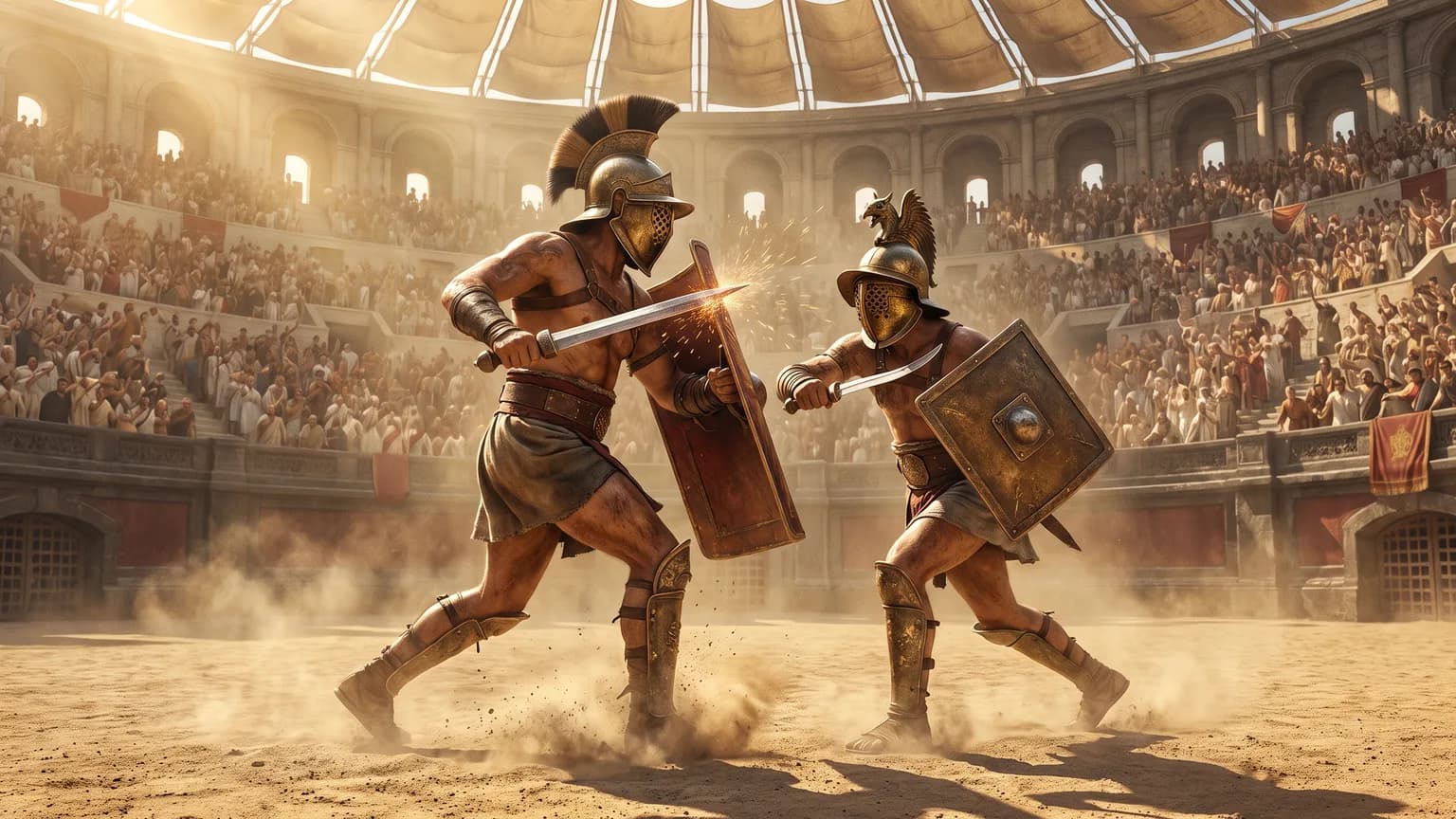
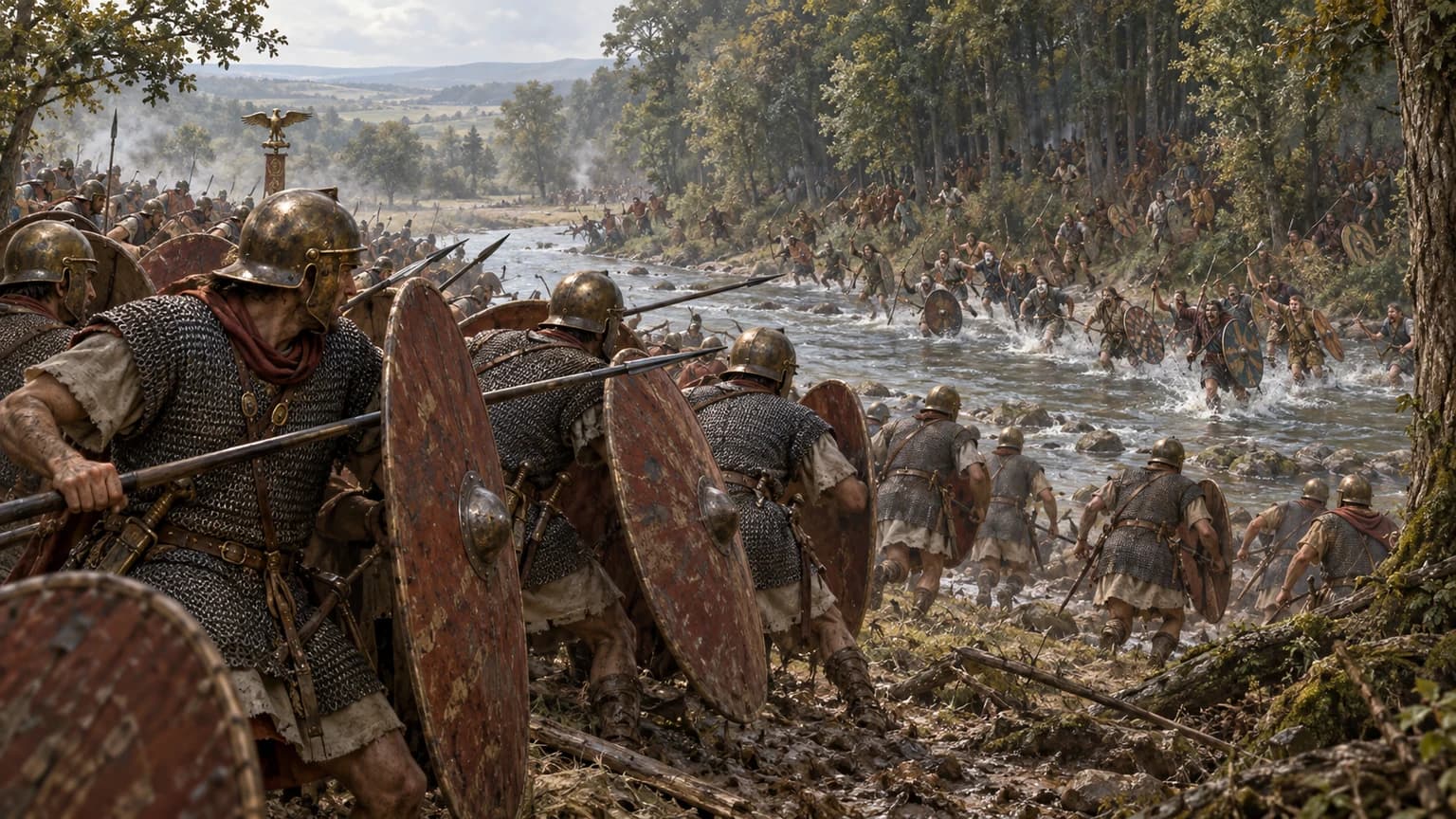
Ours, so weigh it accordingly, and we have put the case against us at the bottom of this entry like every other one. Illustrated branching stories set in documented historical moments, where you play somebody ordinary living through something enormous: a Londoner as the fire crosses Pudding Lane in 1666, a sailor at Nassau in 1718 as the king's pardon splits the crew, a hired knife in Medici Florence. Three to four chapters, fifteen to twenty-four decisions, and the story bends around what you choose.
What it does well. Everything else on this list tells you about history. This is the only one that puts you inside a decision under the same uncertainty the real people had, without knowing how it turns out. That is why the detail sticks: you remember a choice you regretted far longer than a fact you were shown. The stories are illustrated throughout, they save as you go, and nothing is paywalled.
Skip it if. You want broad coverage, a syllabus, or a daily streak. We have a handful of deep stories rather than a curriculum, and if your goal is to pick up a bit of history every morning then a microlearning app will serve you better than we will.
Play a story now, free →
Best for A daily history habit
Paladin
Free download, subscription around $12.99 a month or $89.99 a year
Five-minute daily stories running from the ancient world to the twentieth century, with quizzes, interactive battle simulations and collectible character cards. Content is fact-checked by historians.
What it does well. It is the most polished daily-habit app in the category and the gamification genuinely works. If your problem is that you keep meaning to learn history and never start, this solves that problem better than anything else here.
Skip it if. If you want depth on one subject rather than breadth across many, or if a subscription for short-form content is not something you will keep paying for.
Best for Replacing scrolling with something useful
Nibble
Free download with a subscription tier
Ten-minute lessons across more than twenty-five topics spanning the humanities and sciences, aimed at adults rather than students.
What it does well. Explicitly designed as an alternative to aimless phone use, and the wider subject range means history sits alongside everything else you might want to pick up.
Skip it if. If you want history specifically and in depth. Breadth is the point here, which makes it shallower on any one subject.
Best for Bite-sized daily reading
Chunks
Free download with paid tiers
Microlearning built around short daily reading rather than video or quizzes.
What it does well. Low friction, and reading holds up better than video if you are somewhere you cannot use sound.
Skip it if. If you want structure or a sense of progression through a period rather than individual pieces.
Best for Structured courses, genuinely free
Khan Academy
Free, non-profit, no upsell
Full course sequences in world history, US history and art history, with video lectures, readings and practice questions.
What it does well. The only option here that behaves like an actual curriculum, and it costs nothing. If you want to work through a period properly rather than collect facts, start here before paying anyone.
Skip it if. If you want something to dip into for five minutes. It is a course, and it asks to be treated like one.
Best for Artefacts, museums and images
Google Arts & Culture
Free
Museum collections, high-resolution artefacts, virtual tours and curated exhibits from institutions worldwide.
What it does well. Extraordinary for seeing the actual objects, and free. Best used alongside something else rather than as your main source, because it is a collection rather than a narrative.
Skip it if. If you want an explanation of what happened and why. It shows you things; it does not really teach a sequence of events.
Best for Documentaries and podcasts
History Hit
Subscription
A documentary and podcast service covering a wide range of periods, aimed at people who already like history.
What it does well. Strong if you would rather listen or watch than read, and good for long journeys.
Skip it if. If you want anything interactive. This is broadcast, not practice.
The Thing Nobody Selling You an App Will Say
Most history apps are built on the language-learning model, because it works commercially: short lessons, a streak, a notification, a subscription. The mechanics copy across cleanly. What does not copy across is the reason the model works for languages, which is that a learner practises a skill they will actually use, and gets feedback from the world when they use it badly.
History has no equivalent drill. You can be quizzed on dates forever without ever being asked to do the thing history is actually for, which is reasoning about people who had to choose without knowing the ending. That is why so many history streaks quietly die at week five. The app was never really teaching the subject, only testing the surface of it.
A fair test of any app here, ours included: a month after you use it, can you explain to somebody else why an event happened, and what the people involved thought they were doing? If you can only produce dates, the streak was the product.
Play history instead of reading it
If the last option sounds like what you were after, these are playable right now, free and in your browser.
Quick Answers
Should you pay for a history app?+
Only after trying the free ones. Khan Academy and Google Arts and Culture cost nothing and cover structured learning and artefacts respectively. Pay when you have established that the free options do not fit how you actually want to spend the time, not before.
What is the difference between recall and understanding here?+
Recall is knowing that the Great Fire of London started on 2 September 1666. Understanding is knowing why the Lord Mayor refused to pull houses down that night, and why that was not an obviously stupid decision at three in the morning. Quiz apps are built for the first. Narrative formats are better at the second.
Why do most history apps look like language apps?+
Because Duolingo's model works commercially and is easy to copy: short lessons, streaks, notifications, a subscription. The mechanics transfer. What does not transfer is that language learners practise a skill they will use, while history has no equivalent daily drill, which is why streaks in history apps often feel hollow after a few weeks.
Frequently Asked Questions
What is the best app to learn history?+
It depends what you want from it. For the experience of living through a single historical moment and making the decisions inside it, HistoryForge does that and nothing else on this list does; it is free to play in a browser right now, with an iOS app on the way. For a five-minute daily habit with streaks and quizzes, the microlearning apps are the strongest option. For structured courses that follow a syllabus, Khan Academy is free and hard to beat. For browsing artefacts and museum collections, Google Arts and Culture.
Is there a Duolingo for history?+
Several apps aim at exactly that shape: short daily lessons, streaks, quizzes and a progress track. They work well if your goal is a habit and broad factual coverage. What none of them reproduce is Duolingo's actual advantage, which is that language practice has a real-world use. History has no equivalent drill, so the better question is whether you want recall or understanding, because different apps serve those very differently.
Are there free history apps worth using?+
Yes, and the free options here are genuinely good rather than crippled trials. HistoryForge is free to play in a browser with nothing paywalled and no account needed. Khan Academy is free with no upsell. Google Arts and Culture is free. Most of the daily-habit apps are free to download but gate the bulk of their content behind a subscription, often around ten to thirteen dollars a month or roughly ninety dollars a year, so check the price before you commit to a streak.
What is the best history app for adults?+
Adults tend to want either depth or convenience, rarely a curriculum. If you have five minutes on a commute, a microlearning app fits that gap well. If you want something absorbing for a longer sitting, narrative formats hold attention better than flashcards. The apps built for classrooms and younger learners are usually the wrong fit for an adult who already knows the outline and wants the detail.
Do history apps actually teach you anything?+
Recall apps are good at facts and dates, and there is real evidence that spaced repetition works for that. They are weaker at the thing most people actually want from history, which is understanding why people did what they did when the outcome was not yet known. Judge an app by whether you can still explain the event a month later, not by your streak length.
A Note on This List
We build one of these products, which makes this page an interested party's opinion by definition. We have tried to handle that by naming the cases where a competitor is the better choice, and by putting the free options ahead of the paid ones where they deserve it. Nobody paid to be included and there are no affiliate links on this page.
- ·App Store and Google Play listings for the apps named, checked September 2026
- ·Publicly listed subscription pricing at time of writing; verify before purchasing, as pricing changes